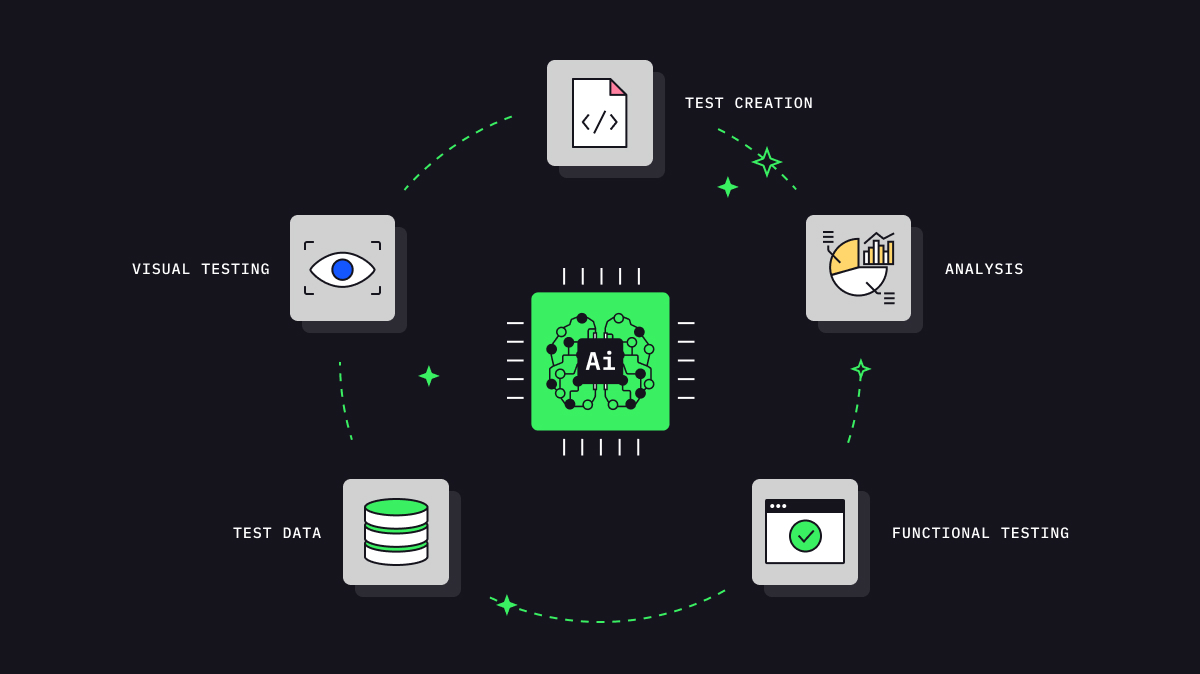

Enterprise teams have made significant progress with test automation, using platforms such as Tricentis, UiPath, and Playwright to reduce manual testing work. AI is extending those capabilities through test generation, script creation, and execution support.
Yet preparing the data for those tests remains a challenge, particularly in complex SAP environments.
This was the focus of our recent webinar with Incture, How to Scale AI-Powered Test Automation Across Complex Enterprise Landscapes. Bhateesha Veerakenchappa, Associate Director, Delivery at Incture, joined Rohit Bubna, SAP Solutions Architect at Synthesized, to discuss the practical barriers to scaling automation and demonstrate a different approach to test data preparation.
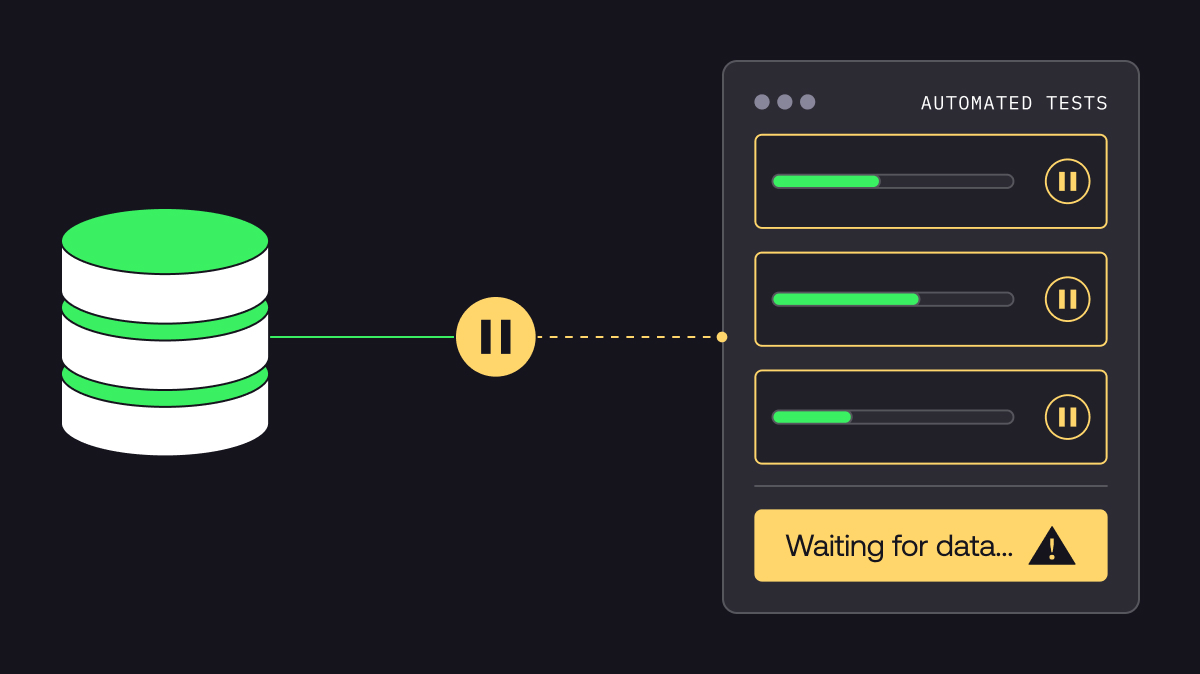
Why test data still delays automated testing
Bhateesha described a familiar situation in enterprise QA: automated tests are ready, but the data needed to run them still has to be prepared manually.
An SAP Order-to-Cash test, for example, may depend on customer and material master data, pricing, sales orders, deliveries, billing documents, and accounting records. Preparing a usable scenario requires knowledge of how those records relate to one another.
The problem doesn't end after the first test cycle. Data used during system integration testing may be changed or consumed, leaving teams to prepare another dataset for user acceptance testing.
In examples discussed during the webinar, this preparation could take two to three weeks for a testing phase.
The challenge grows when business processes span multiple applications. SAP transactions may depend on customer information in a CRM system or records held in other enterprise databases. Refreshing one environment doesn't necessarily provide the matching data needed elsewhere.
The speakers discussed the need for more targeted, on-demand provisioning, allowing teams to obtain the data required for a particular test without waiting for a full environment refresh.
A closer look at the SAP Order-to-Cash demonstration
Rohit demonstrated how Synthesized prepares and provisions connected test data between SAP environments.
The example began with an Order-to-Cash scenario in a source SAP S/4HANA system. The required records weren't available in the target environment, so Rohit created a workflow to identify and transfer them.
Using an Order-to-Cash template, he selected the data scope and applied filters for details such as sales order, company code, plant, and sales document. Synthesized then identified the related records needed for the process, including delivery, billing, and accounting information.
This is where enterprise test data preparation often becomes time-consuming. A tester may know which sales order they want to use but still need help locating all the associated records. In the demonstration, Synthesized handled those relationships within the workflow.
Before provisioning, Rohit ran a sensitivity scan to identify personally identifiable information (PII) in the selected tables and apply masking rules.
The demonstrated workflow provisioned the connected Order-to-Cash dataset into the target environment in under ten minutes.
That timing was specific to the webinar demonstration, but it illustrated the practical benefit of combining data selection, relationship discovery, masking, and provisioning in one process.
Making test data preparation self-service
A key theme of the discussion was reducing the dependence on functional specialists for routine test data requests.
Rohit explained how Synthesized uses machine learning to assist with schema discovery, mapping, relationship identification, and sensitive data detection. These capabilities help reduce the technical work involved in preparing datasets from complex enterprise systems.
Teams can define the source and target environments, select a business scenario, apply the necessary data transformations, and run the provisioning workflow.
Once configured, that workflow can be reused when another testing cycle requires fresh data.
For QA teams, the value lies in having a more direct way to obtain suitable test data without manually tracing every underlying SAP table or coordinating multiple preparation tasks.
Connecting test data with existing automation tools
The webinar also addressed how test data management fits into an organization's existing automation investments.
Rohit discussed Synthesized's native integration with Tricentis Tosca, which allows provisioned data to be made available to automated testing workflows.
This connection helps teams coordinate the data in the test environment with the data their automated tests expect to use.
The wider point applies to enterprise testing stacks built around tools such as Tricentis and UiPath. Organizations don't necessarily need to replace their automation platforms to improve testing efficiency. They need a reliable way to prepare and deliver the data those platforms depend on.
Protecting sensitive data during provisioning
Security was another important topic, particularly when test data workflows involve production environments.
As explained during the webinar, Synthesized is deployed within the customer's own environment rather than as an external SaaS service. Data is processed in transit between connected systems instead of being staged within Synthesized.
Sensitive data discovery and masking can be included in the provisioning workflow, allowing teams to apply the relevant protection rules before records are made available for testing.
This approach is particularly relevant for organizations that need to manage access to production information while supporting frequent development and testing activities.
What this means for AI-powered test automation
AI-assisted tools are making it easier to generate and execute tests, but those tests still need appropriate data. More automated scenarios can also mean more frequent requests for specific datasets.
The webinar showed why test data preparation needs to be considered alongside test execution when organizations plan to scale automation.
Incture brings enterprise implementation and testing expertise, while Synthesized addresses the data preparation and provisioning work that supports those testing activities.
The SAP demonstration offered a practical example of that approach: identify a business scenario, find its connected records, protect sensitive information, and provision the data through a reusable workflow.
Watch the full webinar, How to Scale AI-Powered Test Automation Across Complex Enterprise Landscapes, to hear the discussion and see the SAP Order-to-Cash demonstration.