TL;DR
- UiPath is widely used for SAP test automation and RPA-driven business process validation across end-to-end flows like Order-to-Cash, Procure-to-Pay, and HR processes
- Because UiPath automates across SAP and non-SAP systems simultaneously, cross-system data consistency is a particular challenge
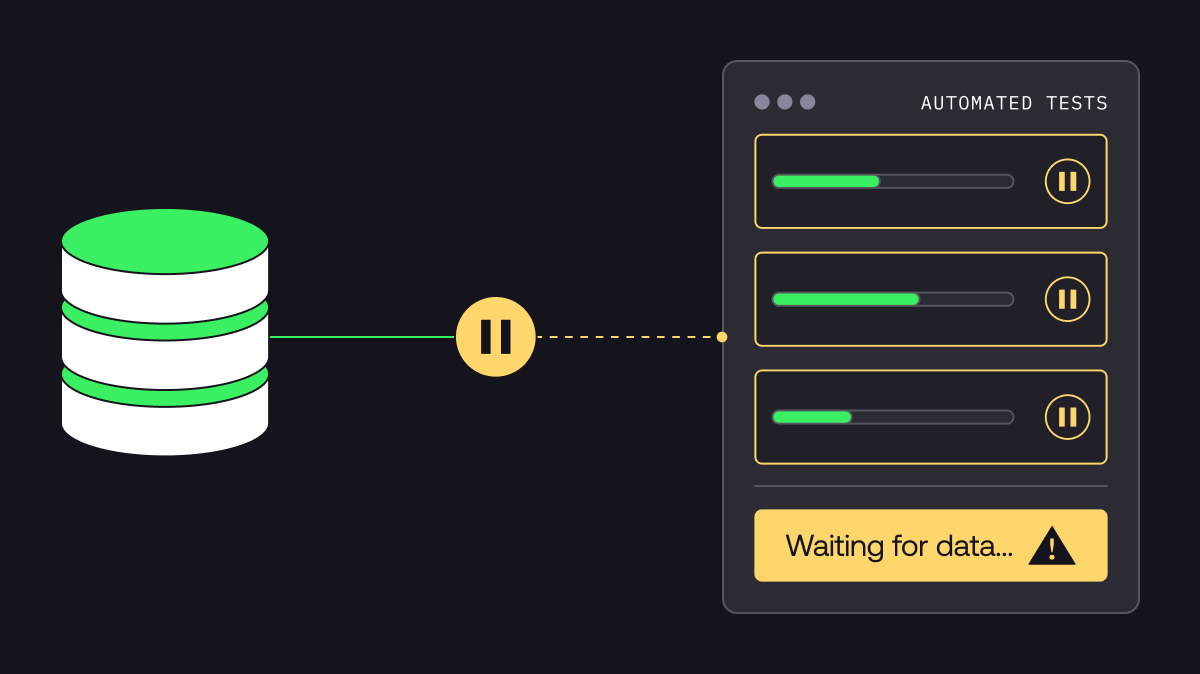
- When test data is inconsistent, stale, or manually prepared, UiPath automations produce false results and break between cycles
- Synthesized provisions production-realistic, compliant SAP test data on demand, ensuring UiPath automations run against fresh, coherent data every time
- The result is SAP test automation that runs consistently, catches real issues, and scales without adding manual data overhead
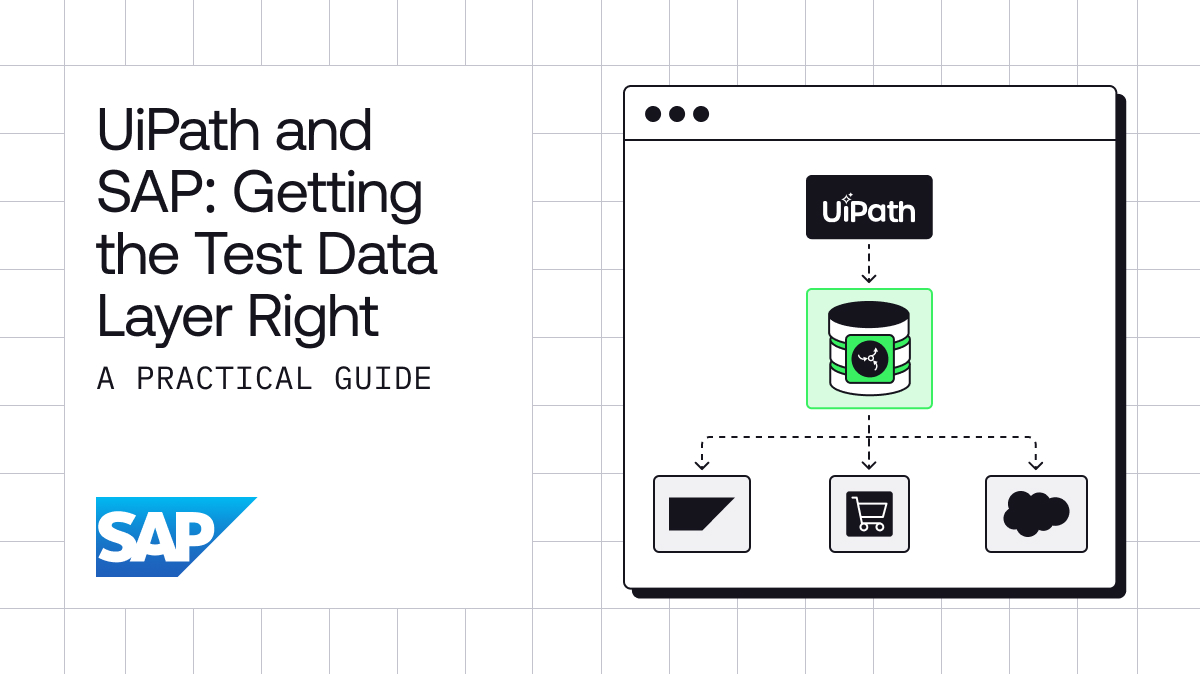
UiPath has become one of the most widely used platforms for automating SAP business processes. Its ability to automate across SAP GUI, SAP Fiori, and connected non-SAP systems simultaneously makes it a natural fit for end-to-end process validation.
Order-to-Cash running from Salesforce through SAP into Ariba. Procure-to-Pay spanning procurement and finance. HR processes moving between SAP SuccessFactors and core ERP. UiPath Test Cloud provides end-to-end automation for ERP business processes and application integrations, and its strength in cross-system process automation is precisely what makes it valuable for SAP teams dealing with complex, multi-system landscapes.
So when UiPath automations produce inconsistent results in SAP environments, it's rarely a UiPath problem.
It's a data problem.
Why cross-system data consistency matters more in UiPath SAP automation
UiPath's strength in SAP testing is end-to-end process coverage. It automates the full business process journey across every system involved. That's what makes it powerful. It's also what makes the test data challenge more complex than it is for single-system testing.
For an Order-to-Cash automation to run correctly, the customer record in Salesforce needs to match the corresponding master data in SAP. Pricing information needs to be consistent across both systems. Delivery status in the logistics platform needs to align with the financial posting in SAP. When each system's test data is prepared separately by different teams at different times using different approaches, those alignments break down. The automation fails. The investigation starts. Eventually, someone discovers the customer ID in Salesforce doesn't exist in SAP, or a pricing record was refreshed in one system three days ago and not the other.
Nothing was wrong with the automation. The data was never coherent to begin with.
UiPath SAP automation is designed for data-driven testing, with each scenario requiring a corresponding set of data to achieve end-to-end process coverage across modules and steps. When that data isn't ready, correctly structured, and consistent across every system the automation touches, the suite produces noise rather than signal.
The manual data preparation problem
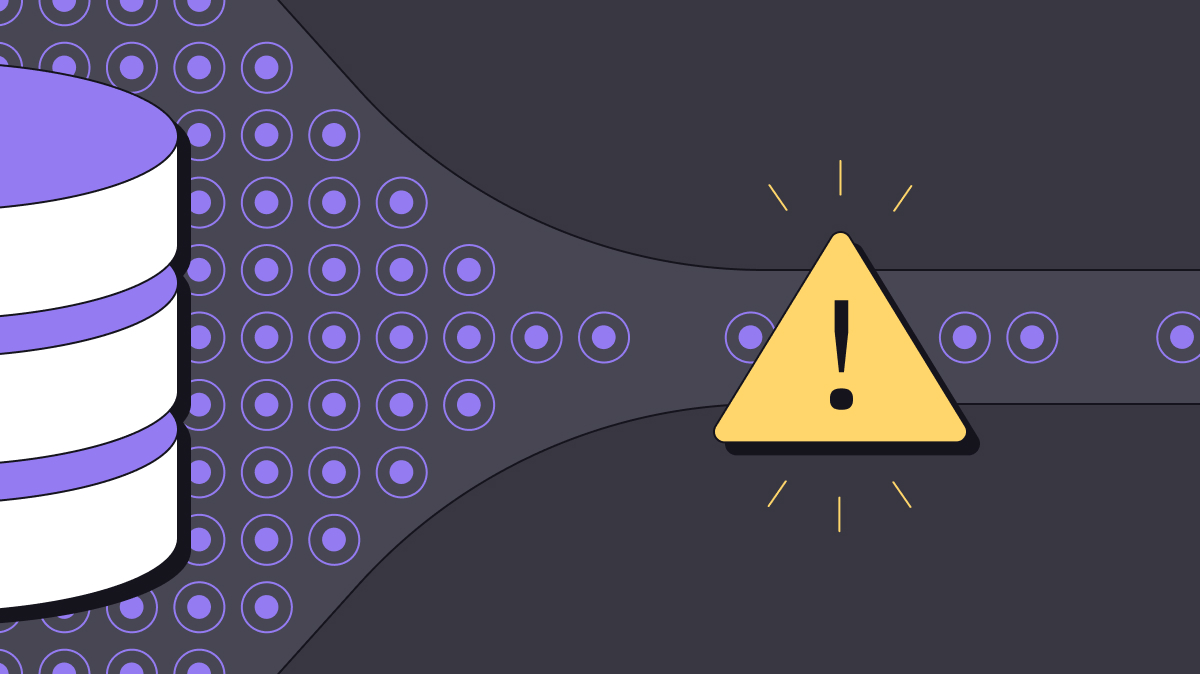
Most SAP teams running UiPath are still preparing test data manually. Someone extracts records from production, masks the sensitive fields, loads them into the test environment, and hopes the data across connected systems still aligns by the time the automation runs.
It's a process that works in isolation. It breaks at scale. Schemas change, and masking rules don't get updated. Data refreshed in SAP doesn't get refreshed in Salesforce. A configuration change goes in after the test environment is prepared and before the automation runs. The UiPath suite produces a failure. The team investigates. Two days later, they found the environment was already out of date before a single test had run.
Deployment cycles that used to take weeks have been reduced to hours with properly configured SAP test automation, but that efficiency only materializes when the data the automation runs on is as reliable as the automation itself. Manual data preparation is the variable that prevents UiPath from delivering consistent results at the pace SAP teams need.
What changes when test data is provisioned on demand
Synthesized addresses the upstream data problem that sits before UiPath runs.
Rather than relying on a manual preparation cycle, Synthesized provisions production-realistic, compliant test data on demand, scoped to the specific business process being automated, consistent across SAP and non-SAP systems, and ready at the point the automation needs it.
For cross-system processes specifically, Synthesized aligns the same population of records across systems using a shared selection list. A customer record in Salesforce maps to the correct master data in SAP. Pricing and product information is consistent. Procurement records in Ariba reference the same organizational structures SAP is working with. Masking is applied deterministically, so the same entity produces consistent output wherever it appears across the process chain.
The result is UiPath automations that run against data built for the process being tested. False positives caused by data misalignment are removed from the equation. Test failures mean something is genuinely wrong with the application. And because provisioning happens on demand rather than on a manual cycle, the data stays current as SAP configuration evolves and connected systems change.
Why this matters for RPA teams and SAP Centers of Excellence
For RPA teams running UiPath in SAP environments, the impact is practical and immediate. Automation suites that were producing unreliable results start producing reliable ones. Investigation time spent on data issues goes down. And confidence that the automation is genuinely validating the business process, rather than passing because the data happened to be good enough, goes up.
For SAP Centers of Excellence overseeing UiPath implementations, the benefit is structural. Test data becomes a managed, governed capability rather than a manual, ad-hoc process. Environments are provisioned consistently. Compliance is enforced automatically. And as UiPath automation coverage expands across more processes, the data layer scales with it rather than becoming a bottleneck.
Organizations using Synthesized report delivery cycles running up to 70% faster, with test data provisioning that previously took days now completing in minutes. For SAP teams running UiPath at enterprise scale, that's the difference between automation that demonstrates its value and automation that spends half its time waiting for the data to catch up.
Want to see what on-demand SAP test data looks like in a UiPath environment? Book a demo and find out how Synthesized helps SAP teams get the data layer right so UiPath automation can do what it was built to do.