
TL;DR
- Parallel testing and cutover are the highest-risk phases of any ECC to S/4HANA migration
- Both depend entirely on having the right test data: realistic, current, and consistent across ECC and S/4HANA simultaneously
- Most programs underestimate the test data complexity of running two systems side by side
- Poor test data during parallel testing creates false confidence going into cutover
- Better test data preparation during these phases is one of the highest-leverage investments a migration program can make
There's a moment in every ECC to S/4HANA migration where everything is on the line.
Not the kickoff. Not the design workshops. Not even the early system testing cycles where defects are expected and the schedule has room to absorb them.
It's parallel testing. And then cutover.
These are the phases where the business is watching. Where the go-live date is fixed. Where the cost of getting something wrong isn't a few days of rework — it's a delayed go-live, a hypercare period that stretches weeks longer than planned, or a production incident in the days after launch when real transactions are running and there's no good time to fix anything.
More than 60% of S/4HANA migrations run over time, according to Horváth research covering 200 SAP user companies. Only 8% finish on schedule. The problems that cause those overruns almost always start earlier than they become visible, and parallel testing and cutover are where they surface most visibly and most expensively.
Test data is usually somewhere near the root of them.
Why parallel testing is harder than it looks
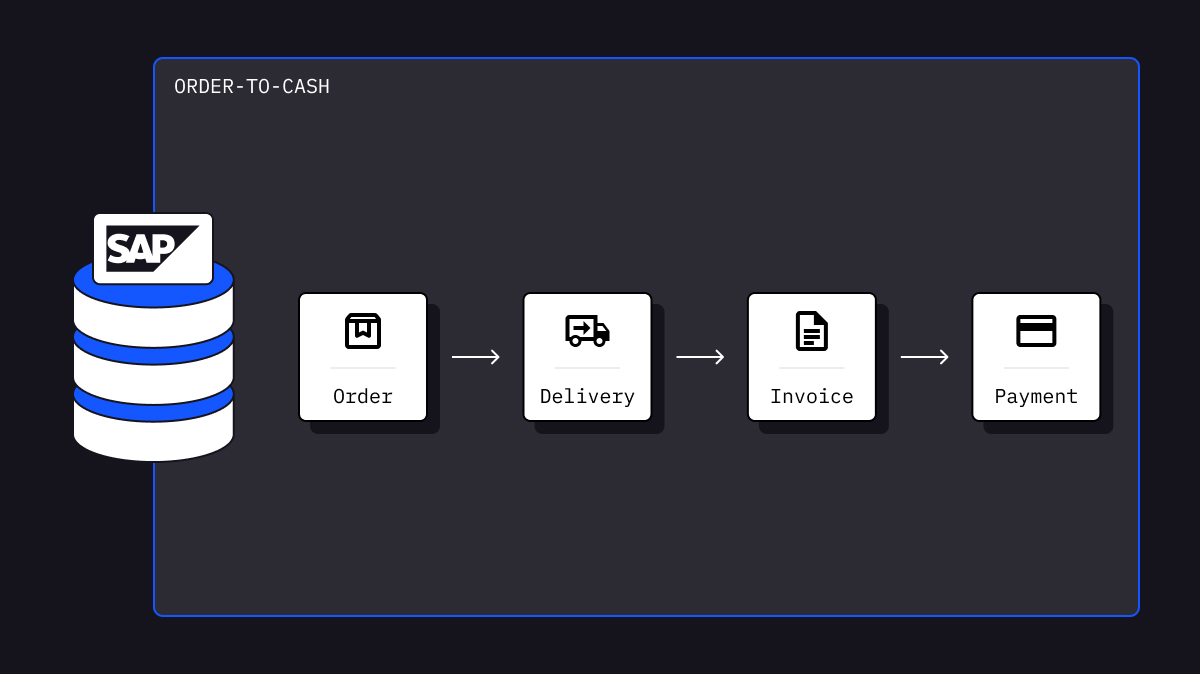
Parallel testing in an ECC to S/4HANA migration means running the same business processes in both systems simultaneously and comparing the results. Finance postings. Procurement flows. Order processing. The expectation is that S/4HANA produces the same outputs as ECC for the same inputs, or that any differences are understood, documented, and accepted.
That sounds straightforward. In practice it creates a test data problem that most programs don't fully account for.
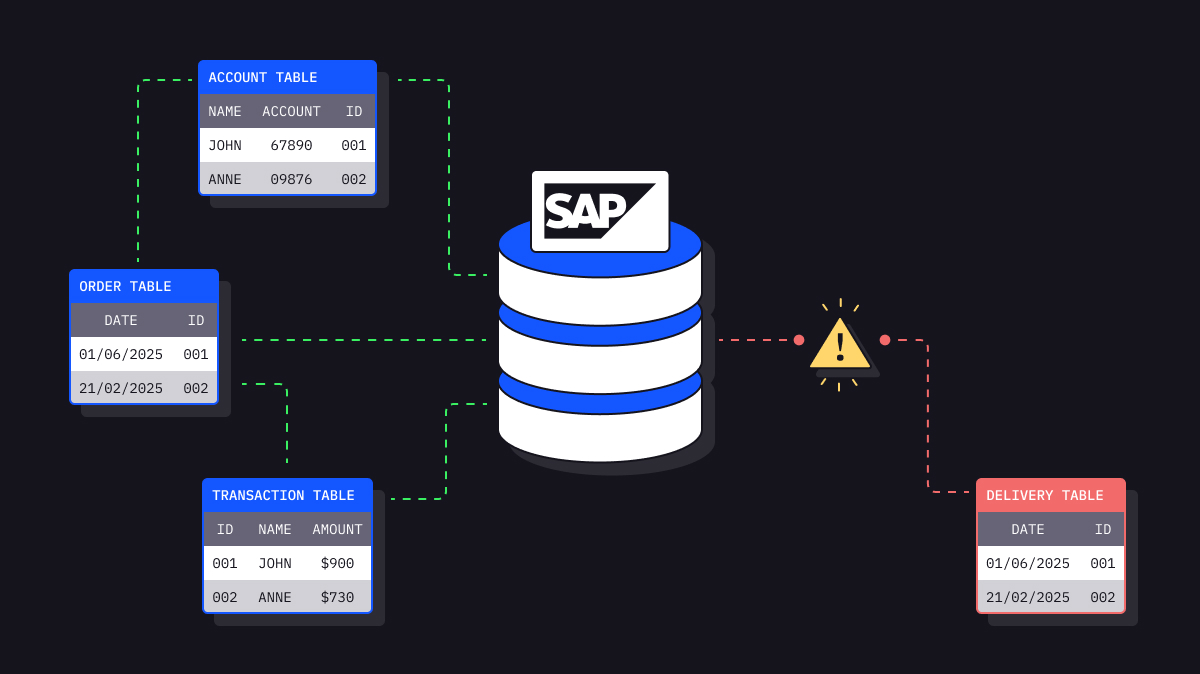
Both systems need data. And that data needs to be consistent across both of them at the same time. The same customers, vendors, materials, and organizational structures. The same transactional history where processes depend on it. The same configuration-level data that drives how business logic behaves. When the data in ECC and S/4HANA diverges — because they were refreshed at different times, or because the data model differences between ECC and S/4HANA weren't fully accounted for in how test data was prepared — the comparison breaks down.
Results differ not because the systems are behaving differently, but because they're working from different data. The Universal Journal in S/4HANA replaces multiple ECC tables, consolidating financial postings into a single source of truth. Test data that was valid in ECC doesn't automatically translate cleanly into S/4HANA's data model. Preparing data that works correctly in both systems simultaneously is a non-trivial task, and one that programs routinely underestimate.
The consequence is parallel testing that produces results nobody fully trusts. Teams spend time investigating differences that turn out to be data issues. Genuine defects get buried in the noise. And the confidence that parallel testing is supposed to generate going into cutover is undermined before the cutover rehearsal has even started.
Why cutover rehearsals depend on getting this right first
Cutover windows are tight. Most enterprises aim to complete the final migration over a single weekend to minimize business downtime. Everything needs to work the first time, or close enough to it that hypercare can handle what remains.
Cutover rehearsals are how programs build the confidence to make that call. Run the cutover process end-to-end in a test environment, validate that everything works as expected, identify what needs to be fixed, and repeat until the team is confident enough to go live.
The test data those rehearsals run on determines how useful they are. If the data is a rough approximation of production (subsetted months ago, partially masked, not fully reflective of current ECC configuration) the rehearsal validates a scenario that doesn't exist. Teams discover on go-live weekend that real production data behaves differently from the test data the rehearsal was built on.
Production-realistic data that reflects the current state of ECC, maps correctly to the S/4HANA data model, and covers the business process scenarios that matter most is what makes a cutover rehearsal genuinely predictive rather than just procedurally complete.
What better test data preparation looks like
Programs that navigate parallel testing and cutover successfully tend to make a few decisions that others don't.
They treat the data for parallel testing as a specific deliverable, not a byproduct of the general test environment preparation process. That means data that is explicitly prepared to work correctly in both ECC and S/4HANA simultaneously, with the data model differences between the two systems accounted for rather than assumed away.
They use compliant data from the start. Sensitive personal data, corporate compliance data, and any regulatory obligations don't pause because a migration is in its final phases. Masking applied consistently and automatically at the point of data generation means teams can work freely across both environments without creating compliance exposure at exactly the moment program scrutiny is highest.
And they move away from relying on a single production copy for cutover rehearsals. Right-sized, scenario-specific data that covers the business processes being validated — provisioned on demand rather than prepared once and hoped to still be current by the time the rehearsal runs, is what makes rehearsals reliable rather than indicative.
The generation method matters less than the outcome. Whether that's a copy and refresh scoped correctly for both systems, masked and subsetted data aligned to the S/4HANA data model, or generated data that fills gaps in production volume for specific scenarios. What matters is that it's ready when the rehearsal needs it, reflects current conditions, and can be trusted to produce results that mean something.
Synthesized's AI-native test data management platform supports all of these approaches. On-demand provisioning of production-realistic, compliant SAP test data across ECC, S/4HANA, and the non-SAP systems that sit alongside them, with storage footprints up to 99% smaller than full copy approaches and delivery cycles up to 70% faster.
For the testing phases that determine whether a migration program goes live with confidence, that's the difference between cutover rehearsals that give teams genuine assurance and ones that leave questions unanswered until the weekend itself.
The 2027 SAP maintenance deadline is real. The programs that go live on time and on budget will be the ones that treat test data as a migration-critical deliverable, not an afterthought, and nowhere more so than in the phases where everything is on the line.
Want to see what production-realistic SAP test data looks like in practice? Book a demo and find out how Synthesized helps migration teams go into parallel testing and cutover with data they can actually trust.